
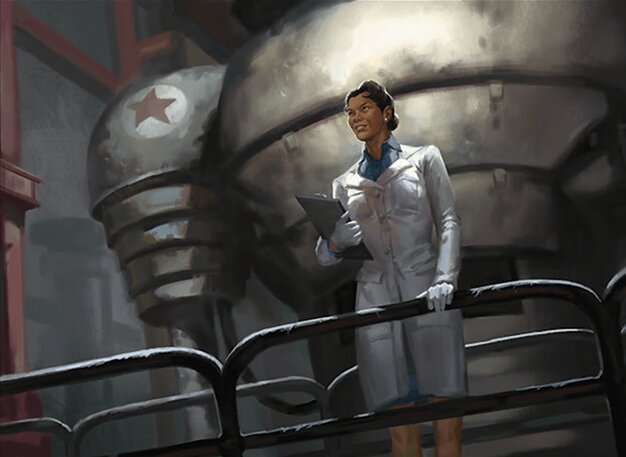
Dr. Madison Li



Jeskai artifacts with an energy engine that turns each artifact spell into cards, pressure, and late-game recursion.
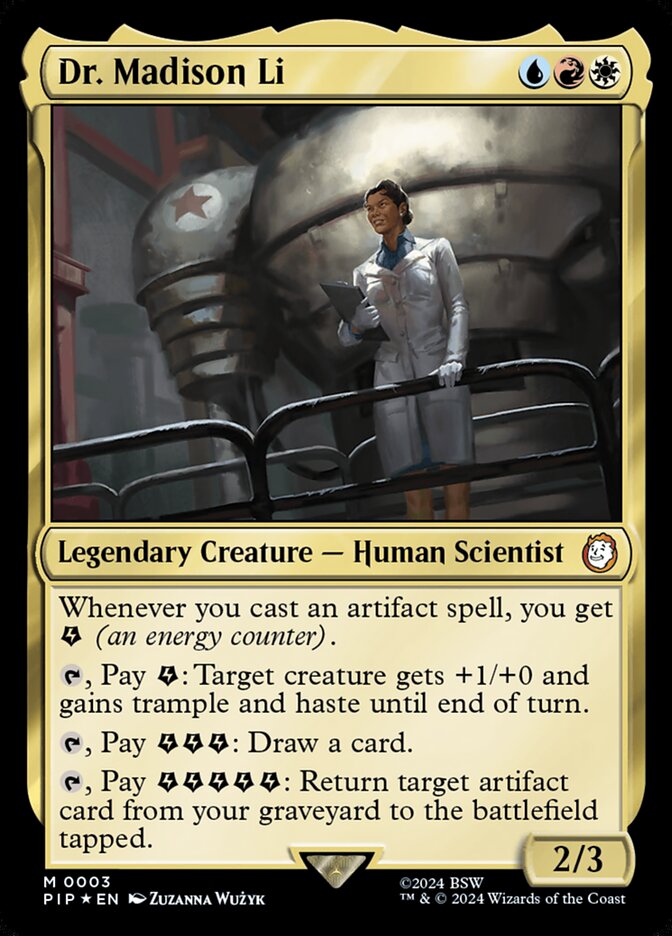
Public decks: 0Bracket: Varies
Overview
- Wants a high density of artifact spells to stockpile energy naturally as you develop.
- Uses energy as a flexible resource: small bursts to push combat damage or larger chunks for card draw.
- Leans into a grindy value plan where extra artifacts translate into both velocity and staying power.
- Can pivot between tempo (haste/trample pumps) and inevitability (reanimating an artifact) depending on the table.
- Typically plays like an artifacts-matter midrange deck with a built-in mana sink once you’re set up.
Common lines
- Early turns: deploy cheap artifacts to start banking energy while advancing your board.
- Midgame: hold up energy to turn any creature into a hasty threat when attacks open up, or cash in for cards when the board stalls.
- After trades and removal: use the large energy activation to bring back a key artifact and rebuild momentum.
- When ahead: convert excess energy into continuous card draw to keep interaction and threats flowing.
Strengths
- Built-in card advantage engine that scales with how many artifact spells you cast.
- Flexible utility: combat pressure, draw, and recursion all from the command zone.
- Strong in longer games where repeated draw activations and artifact recursion can outlast removal.
- Naturally rewards incremental play and efficient sequencing rather than all-in commitment.
Weaknesses
- Energy is a bottleneck; spending it in one mode can delay the others.
- Tapped commander and energy costs mean the strongest effects can be slower and vulnerable to disruption at key moments.
- Graveyard hate and artifact hate can blunt the recursion plan and reduce payoff density.
- If you can’t consistently cast artifact spells, the deck can feel underpowered and run out of gas.
Rule zero notes
- This commander can play as a grindy value engine with strong late-game recursion; set expectations on game length.
- Clarify whether your build is aiming for combat pressure, value midrange, or a more combo-leaning artifact finish.
- Let the table know how much artifact recursion you’re running and whether you plan to loop the same artifact repeatedly.
- If you include many extra-turn-like tempo swings or hard lock packages (if any), disclose up front.
Matchups
Best into
- Midrange pods where games go long and resources trade frequently.
- Creature-based tables that can be pressured by surprise haste/trample and incremental chip damage.
- Removal-heavy games where recursion provides inevitability.
Struggles against
- Fast combo tables that end the game before energy draw/recursion matter.
- Heavy stax/lock pieces that prevent casting multiple artifacts or keep your commander from untapping.
- Dedicated artifact-hate strategies that repeatedly wipe artifacts or exile key pieces.
Recent public decks
No public decks are available yet.
FAQ
What is Dr. Madison Li trying to do each game?
Cast artifact spells to bank energy, then convert that energy into cards, burst damage via haste/trample, and eventually artifact recursion.
How do you usually win?
Often by outvaluing the table with repeated draw and recursion, then closing with artifact-based threats and combat pressure enabled by haste/trample.
When should I spend energy on draw versus combat?
If your hand is running low or the board is stalled, drawing tends to be best; if there’s a clean attack window or you need to force trades, the combat mode can swing races.
How important is the recursion activation?
It’s a late-game stabilizer and rebuild tool, but it’s energy-intensive; many games you’ll rely more on draw and only reanimate when a key artifact is worth the tempo hit.
What are the main ways opponents can disrupt you?
Killing or tapping down your commander, limiting your ability to cast artifacts, and shutting off the graveyard all reduce your ability to convert energy into meaningful advantage.