
Commander Deck Archetypes Explained: Find Your Playstyle
By MTG Master EditorialPublished Updated 24 min read
One of the things I enjoy most about Commander is how differently two decks can play, even when they share the same colors.
You can build a mono-black deck that sacrifices its own creatures for value, another that brings huge creatures back from the graveyard, or one that simply makes life miserable for everybody else at the table. Same color, completely different experience.
And that's before we start mixing colors.
When you're building a new Commander deck, choosing your commander is usually the exciting part. You find a legendary creature with an interesting ability, start imagining all the cards you could play with it, and suddenly you've got 150 cards on your list and no idea what to cut.
But before getting too attached to a commander, I think there's another question worth asking:
What kind of deck do you actually enjoy playing?
Do you like attacking with enormous creatures? Controlling the board? Casting a ridiculous number of spells in one turn? Making a hundred tokens? Or maybe you prefer those decks where everything looks innocent until suddenly you're draining the entire table for 30 life.
That's where Commander archetypes come in.
An archetype is basically the strategy your deck is built around. It describes how the deck plays, what it's trying to accomplish, and usually how it intends to win.
And the interesting part is that you don't need to stick to just one. Some of my favorite decks combine several strategies, and that's often what makes them interesting.
Let's look at some of the most popular Commander archetypes, what makes them fun, and what you should know before building one.
Aristocrats: Everything Dies, and That's the Plan
Aristocrats is one of those strategies that sounds strange when you first explain it to someone.
You create creatures, sacrifice them, and somehow end up winning because your own creatures keep dying.
But once you've played against a good Aristocrats deck, you understand how dangerous it can be.
The idea is to generate value whenever creatures die. You might draw cards, create more tokens, produce mana, or make your opponents lose life.
Cards like Blood Artist, Zulaport Cutthroat, and Viscera Seer are classic examples of how the strategy works.
You sacrifice a creature, trigger some abilities, maybe bring it back, and repeat.
And suddenly everyone is losing life while you're sitting there sacrificing a harmless-looking 1/1 token.
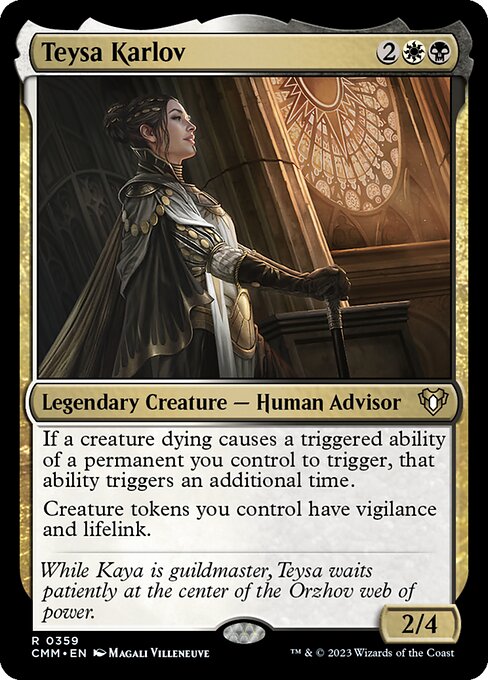
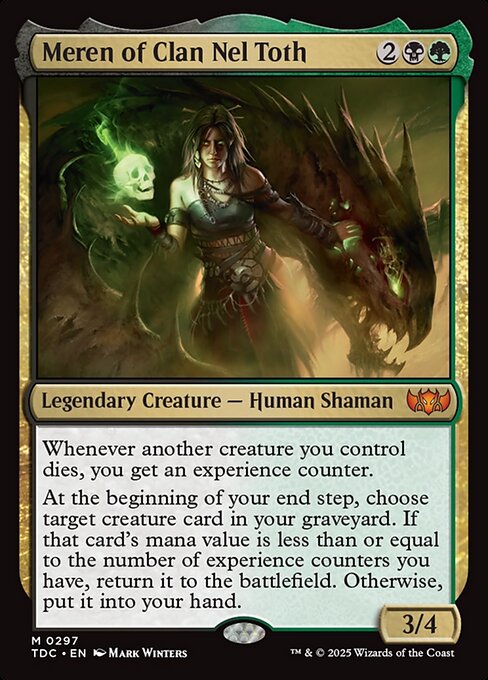
Commanders worth exploring: Teysa Karlov, Elas il-Kor, Sadistic Pilgrim, and Meren of Clan Nel Toth.
What I like about Aristocrats is that you're often doing something useful even when your creatures die.
A board wipe that would destroy another creature deck can sometimes give you an enormous amount of value.
The downside is that the strategy usually requires several pieces working together. If somebody removes your sacrifice outlets or shuts down death triggers, things can get complicated.
And graveyard hate can be particularly painful if your deck relies on bringing creatures back repeatedly.
If you enjoy finding synergies and turning small, apparently insignificant creatures into a real threat, Aristocrats is definitely worth trying.
Voltron: One Creature, One Very Big Problem
Voltron is the complete opposite of building a huge army.
Instead of attacking with twenty creatures, you focus on making one creature ridiculously dangerous.
Usually, that creature is your commander.
You equip it with powerful Equipment, attach Auras, give it protection, evasion, double strike, or whatever else helps it survive and deal damage.
And because Commander has the 21 commander combat damage rule, you don't necessarily need to reduce an opponent from 40 life to zero.
Sometimes one or two good attacks are enough.
Cards like Swiftfoot Boots, Blackblade Reforged, and All That Glitters are examples of the sort of tools you might use, depending on your colors and strategy.
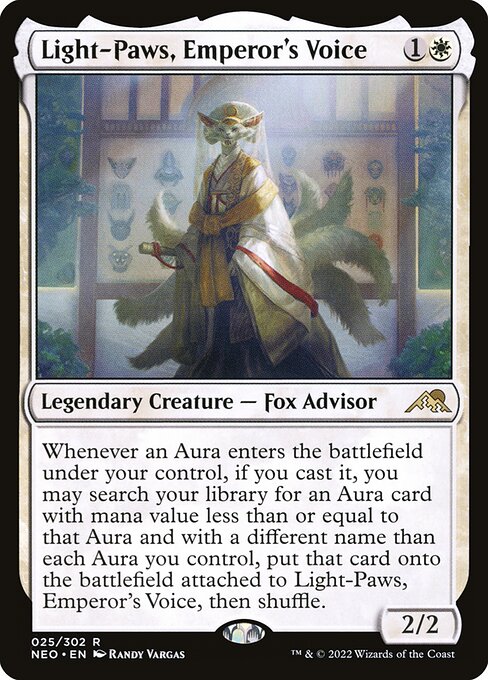
Commanders worth exploring: Light-Paws, Emperor's Voice, Sram, Senior Edificer, and Uril, the Miststalker.
Voltron is particularly satisfying when everything works.
There's something wonderful about attacking with a commander that started as a harmless 2/2 and is now a flying, trampling, double-striking monster.
Of course, there's a problem.
Everybody can see what's happening.
If you've invested six cards into making your commander enormous and somebody removes it at the wrong moment, you might lose most of your board.
That's why protection is incredibly important in Voltron decks. Having a huge creature is great, but keeping it alive is even better.
And remember that commander damage has to come from combat damage dealt by the same commander. Other sources of damage don't count toward those 21 points.
Spellslinger: Just One More Spell
If you enjoy casting instants and sorceries, copying spells, and having turns where the stack becomes more complicated than the actual battlefield, you'll probably enjoy Spellslinger.
These decks are built around casting spells and getting additional value from them.
Maybe you create tokens whenever you cast an instant or sorcery. Maybe your commander gets stronger. Maybe you copy spells, draw cards, or generate mana.
Cards like Young Pyromancer, Storm-Kiln Artist, and Guttersnipe are good examples of the kind of effects that make these decks work.
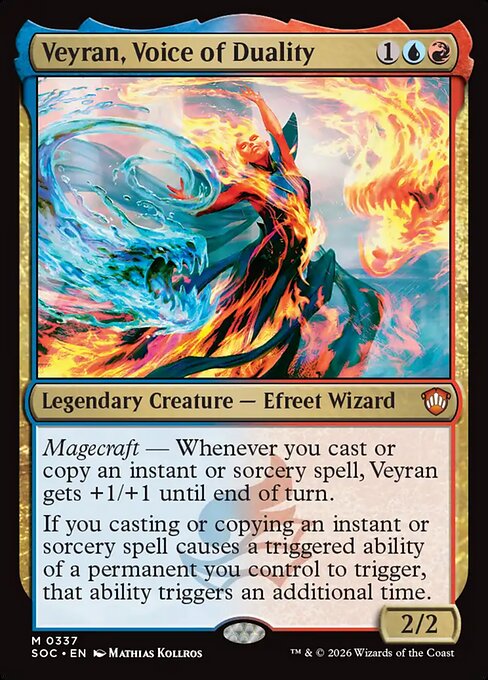
Commanders worth exploring: Veyran, Voice of Duality, Mizzix of the Izmagnus, and Kess, Dissident Mage.
What makes Spellslinger interesting is that your creatures aren't necessarily your main threats.
Sometimes you're winning through a series of small spells that generate more resources, which allow you to cast even more spells.
And when everything clicks, your turns can become spectacular.
There's also a downside: sometimes your turns become spectacularly long.
If you have three different triggers for every spell you cast, a few copies on the stack, and six cards to resolve, your opponents might have enough time to make a coffee.
I enjoy watching a well-built Spellslinger deck work, but it's worth learning your interactions properly. The strategy becomes much more enjoyable when you can play it smoothly.
Tokens: Why Have One Creature When You Can Have Fifty?
Token decks are one of the most recognizable strategies in Commander.
The basic idea is simple: create creatures, create more creatures, and eventually turn them into a serious threat.
But there are many different ways to build a token deck.
Some focus on creating enormous numbers of small creatures. Others produce fewer but much larger tokens. Some use tokens for combat, while others sacrifice them for value.
And some do a little bit of everything.
Cards like Parallel Lives, Anointed Procession, and Skullclamp can be fantastic in the right token deck.
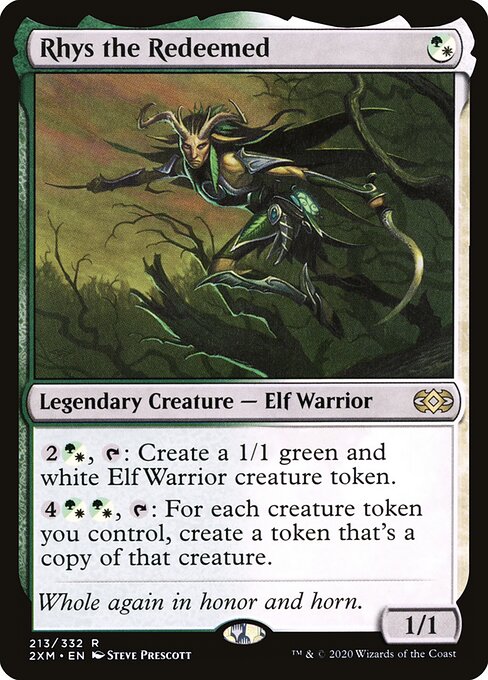
Commanders worth exploring: Rhys the Redeemed, Adrix and Nev, Twincasters, and Jetmir, Nexus of Revels.
One of my favorite things about token strategies is how quickly a board can change.
You can go from having three creatures to suddenly having thirty.
And if you've got the right anthem effect or a powerful finishing spell, those tiny tokens can become a serious problem.
The obvious weakness is board wipes.
If your entire strategy depends on having a massive army, one Wrath of God can ruin your afternoon.
That's why I like token decks that can rebuild quickly or generate additional value when creatures enter or leave the battlefield.
Also, a practical recommendation: bring enough dice.
You'll need them.
Blink: Why Use an Ability Once?
Blink decks are built around exiling your own permanents and returning them to the battlefield, usually to reuse their enter-the-battlefield abilities.
At first, that might not sound particularly exciting.
But imagine having a creature that draws two cards when it enters the battlefield.
Now imagine being able to trigger that ability several times.
Or a creature that destroys an artifact, creates tokens, searches for lands, or removes an opposing creature.
That's where things start getting interesting.
Cards like Ephemerate, Teleportation Circle, and Panharmonicon can generate enormous amounts of value in the right deck.
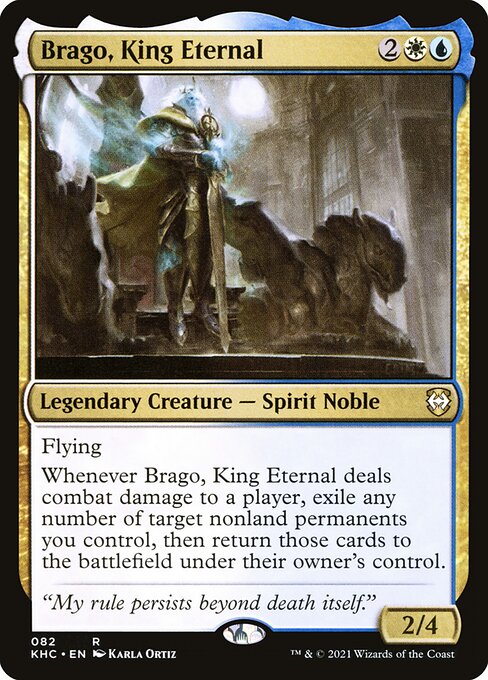
Commanders worth exploring: Brago, King Eternal, Roon of the Hidden Realm, and Abdel Adrian, Gorion's Ward.
I like Blink because it rewards you for choosing creatures with useful abilities rather than simply looking for the biggest stats.
A small creature with a strong enter-the-battlefield effect can become one of the best cards in your deck.
Blink can also be used defensively, protecting creatures from removal or allowing you to reuse certain abilities at instant speed.
But timing matters.
If you blink a creature, it returns as a new object. That means it can lose counters, Auras, and other things that were attached to it. And if the creature is a token, it won't return after leaving the battlefield.
Blink is a strategy where understanding a few rules interactions can make a big difference.
Reanimator: The Graveyard Is Just Another Hand
Why spend eight mana casting a huge creature when you could put it into your graveyard and bring it back much earlier?
That's more or less the philosophy behind Reanimator.
These decks intentionally fill their graveyard with powerful creatures or other useful cards, then use spells and abilities to return them to the battlefield.
Cards like Reanimate, Animate Dead, and Victimize are classic tools for this strategy.
Commanders worth exploring: Meren of Clan Nel Toth, Chainer, Nightmare Adept, and Karador, Ghost Chieftain.
Reanimator decks can be extremely satisfying.
There's something special about putting a huge creature into play several turns before you'd normally be able to cast it.
And the graveyard can become a resource that you use again and again.
But there's one important thing to remember.
Your graveyard isn't safe.
Cards like Rest in Peace or Bojuka Bog can completely disrupt your plans.
I think a good Reanimator deck should have some ways to operate even when its graveyard isn't available. Otherwise, one well-timed piece of graveyard hate can leave you doing very little for several turns.
Landfall: Playing Lands Becomes Your Win Condition
Normally, playing a land isn't the most exciting thing you do during your turn.
In a Landfall deck, it might be the most important.
Landfall strategies reward you whenever lands enter the battlefield under your control.
Depending on the cards you're playing, that can mean creating creatures, gaining life, dealing damage, drawing cards, or putting counters on your permanents.
Cards like Avenger of Zendikar, Scute Swarm, and Tireless Provisioner are great examples of how powerful land-based synergies can become.
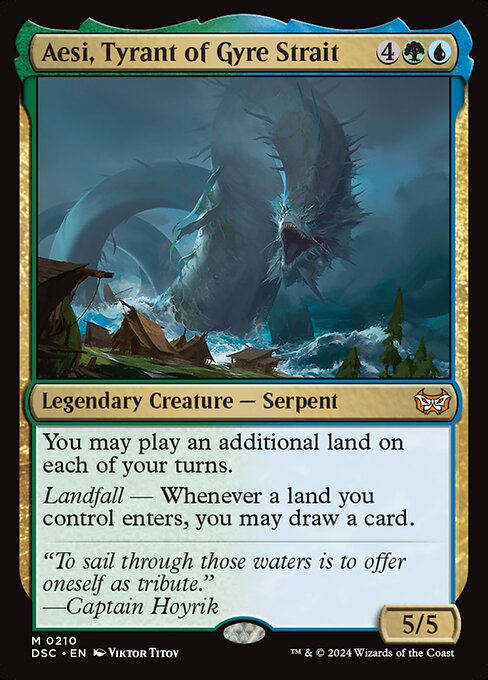
Commanders worth exploring: Aesi, Tyrant of Gyre Strait, Omnath, Locus of Creation, and The Gitrog Monster.
What I enjoy about Landfall is that you're turning one of Magic's most basic actions into an actual engine.
Playing extra lands becomes much more exciting when every land generates another advantage.
And you don't necessarily need expensive lands to make the strategy work.
Cards that let you play additional lands, return lands from the graveyard, or search for basics can provide plenty of value.
The downside is that Landfall decks can become dependent on having their payoff cards in play.
If you're playing four lands in a turn but nothing triggers when they enter, you're getting mana, which is nice, but perhaps not exactly what you were hoping for.
A good balance between land acceleration, payoffs, and card advantage makes a big difference.
Enchantress: One Enchantment Leads to Another
Enchantress is one of my personal favorites.
The strategy revolves around playing enchantments and getting value from doing so.
Often that means drawing cards, gaining life, creating tokens, producing mana, or making your board increasingly difficult to deal with.
Cards like Enchantress's Presence, Setessan Champion, and Sanctum Weaver are good examples of what makes the archetype work.
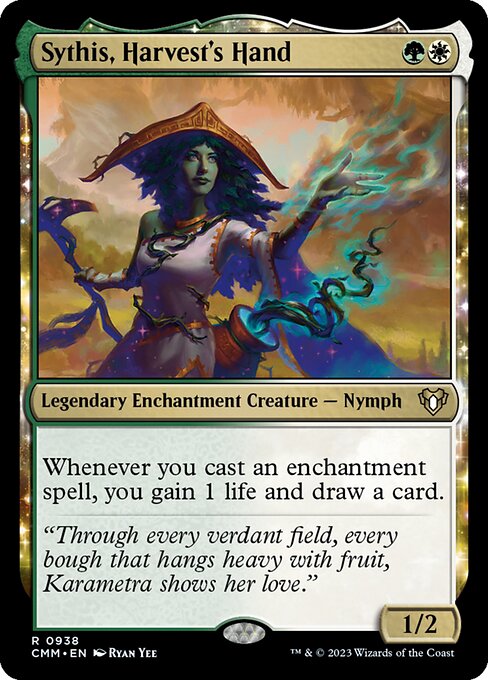
Commanders worth exploring: Sythis, Harvest's Hand, Tuvasa the Sunlit, and Anikthea, Hand of Erebos.
What I like about Enchantress is how naturally the deck can develop.
You play an enchantment, draw a card, play another enchantment, generate some mana, and gradually build a board that becomes stronger every turn.
And depending on how you build it, Enchantress can play very differently.
Some decks focus on Auras and combat damage. Others create tokens, use powerful enchantment creatures, or build defensive engines that are difficult to break through.
You can also combine enchantments with lifegain, which opens up plenty of interesting possibilities.
The downside is that you're often relying on a collection of permanents that work together.
A well-timed enchantment board wipe can be devastating.
And if you lose your card-draw engines, things can slow down significantly.
Still, if you enjoy building synergies and watching your deck gradually turn into a powerful engine, Enchantress is a fantastic archetype.
Artifacts: Build Your Own Machine
Artifact decks can do almost anything.
You can generate enormous amounts of mana, create artifact creature tokens, sacrifice artifacts for value, copy them, recur them from the graveyard, or assemble combinations of cards that produce powerful effects.
That's probably why I find artifact decks so interesting.
There's rarely just one thing happening.
Cards like Sai, Master Thopterist, Emry, Lurker of the Loch, and Unwinding Clock illustrate some of the different directions the archetype can take.
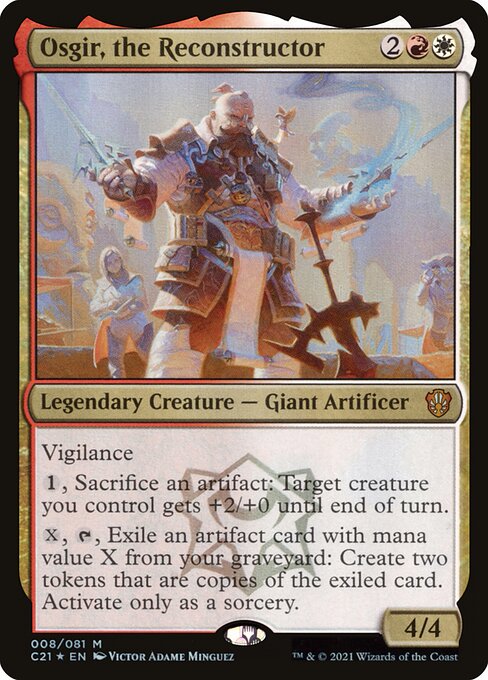
Commanders worth exploring: Urza, Lord High Artificer, Breya, Etherium Shaper, and Osgir, the Reconstructor.
Artifact decks often have excellent synergy because so many cards interact with artifacts entering, leaving, tapping, untapping, or being sacrificed.
The challenge is keeping everything balanced.
It's surprisingly easy to fill an artifact deck with interesting engines and forget that you still need a reliable way to win.
And, of course, artifact removal can hurt.
A single Vandalblast can be particularly unpleasant if most of your board consists of artifacts.
I like artifact decks that have several ways to generate value and don't completely collapse when one important piece disappears.
Typal (Tribal): Sometimes You Just Want Dragons
Not every Commander deck needs a complicated engine or an unusual win condition.
Sometimes you simply want to play Dragons.
Or Elves. Zombies. Vampires. Goblins. Angels.
And that's a perfectly good reason to build a deck.
Typal decks, traditionally called Tribal decks, focus on a particular creature type and use cards that reward you for playing those creatures.
Some creature types have access to extremely powerful support cards.
Elves can produce ridiculous amounts of mana. Zombies can take advantage of the graveyard. Goblins can create enormous numbers of creatures. Dragons tend to be expensive, but they can end games very quickly.
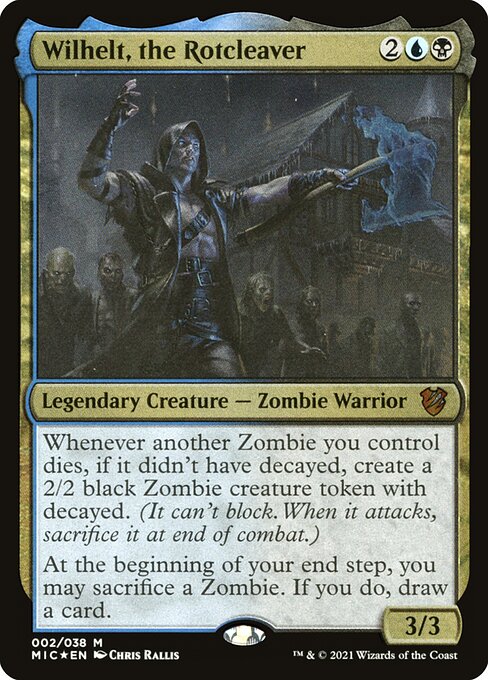
Commanders worth exploring: The Ur-Dragon, Edgar Markov, Lathril, Blade of the Elves, and Wilhelt, the Rotcleaver.
What makes Typal decks enjoyable is that they usually have a very clear identity.
You know what you're trying to do, and finding new cards for the deck can be part of the fun.
I also think these decks are a great place to prioritize flavor.
If you're building a Dragon deck, you probably want to play some of your favorite Dragons, even if they're not the most efficient choices.
And that's fine.
Just be careful not to include every creature of your chosen type simply because it matches.
A Dragon that does absolutely nothing for your strategy is still a questionable card, even if the artwork is amazing.
Although I admit that sometimes the artwork wins.
Stax: Nobody Gets to Have Nice Things
Stax is probably one of the most controversial archetypes in Commander.
The strategy focuses on restricting what other players can do.
That might mean making spells more expensive, limiting how many spells players can cast, preventing certain actions, or slowing down the game while you develop your own winning position.
Cards like Rule of Law, Winter Orb, and Drannith Magistrate are examples of effects that can fit into Stax strategies.
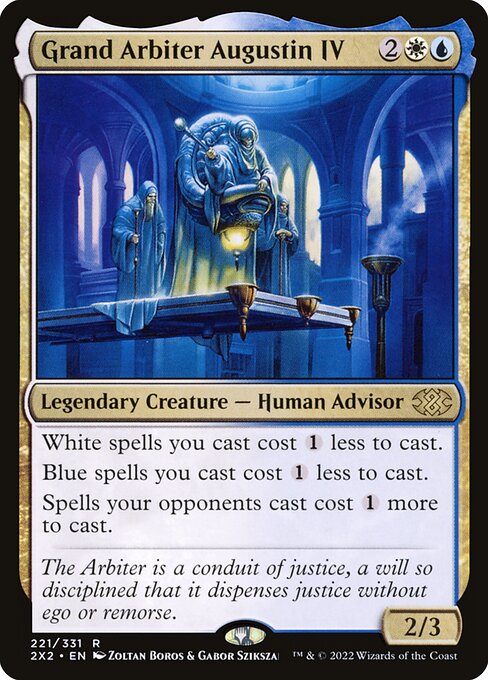
Commanders worth exploring: Grand Arbiter Augustin IV, Hokori, Dust Drinker, and Derevi, Empyrial Tactician.
A well-built Stax deck can be extremely effective.
But there's something important to understand before building one.
Not everyone enjoys playing against Stax.
And I can understand why.
Commander games are supposed to be interactive, but there's a difference between interacting with your opponents and preventing them from doing practically anything for an hour.
Personally, I think Stax is perfectly valid when everybody understands the kind of game they're playing.
The problem comes when one player brings a heavy Stax deck to a table expecting a relaxed casual game.
Also, if you're going to slow everybody down, please have a plan to win.
Nobody wants to spend forty minutes unable to cast spells while the Stax player tries to figure out what to do next.
Group Hug: I'm Helping Everyone. Trust Me.
Group Hug is one of the strangest and most entertaining strategies in Commander.
Instead of focusing entirely on your own advantage, you play cards that benefit everybody.
Maybe everyone draws additional cards, gets extra mana, or receives other resources.
Sounds friendly, right?
Well, sometimes it is.
Cards like Howling Mine, Rites of Flourishing, and Humble Defector can create some very interesting multiplayer situations.
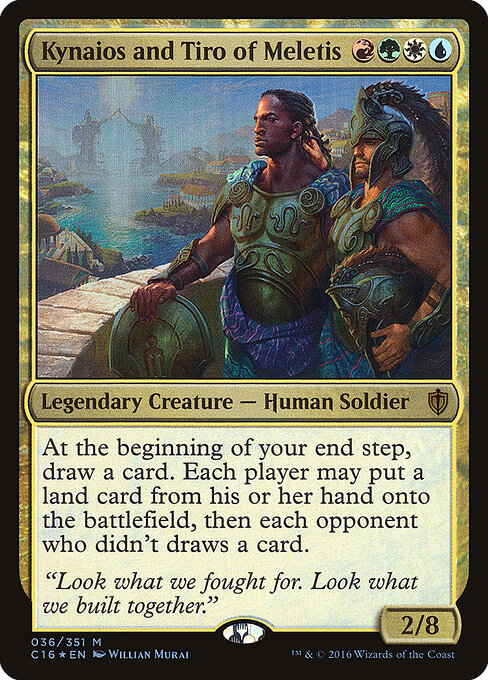
Commanders worth exploring: Kynaios and Tiro of Meletis, Phelddagrif, and Gluntch, the Bestower.
Group Hug is especially interesting because it changes the political side of the game.
Players might leave you alone because you're helping them.
You can make deals, encourage opponents to attack each other, and influence the game without necessarily having the strongest board.
But there's a problem.
When you give everybody more cards and more mana, you're also helping your opponents find their win conditions.
And sometimes the player you just helped will immediately use those resources to eliminate you.
That's Commander politics for you.
I think Group Hug works best when you have a clear idea of how you're going to benefit from the additional resources or manipulate the game in your favor.
Otherwise, you might simply be helping somebody else win.
Control: You Can Play That. Maybe.
Control decks focus on answering threats, managing resources, and surviving until they can take over the game.
Instead of trying to develop the biggest board as quickly as possible, you concentrate on stopping the most dangerous things your opponents are doing.
Counterspells, removal, board wipes, card draw, and other forms of interaction are particularly important here.
Cards like Counterspell, Swords to Plowshares, and Cyclonic Rift are familiar examples.
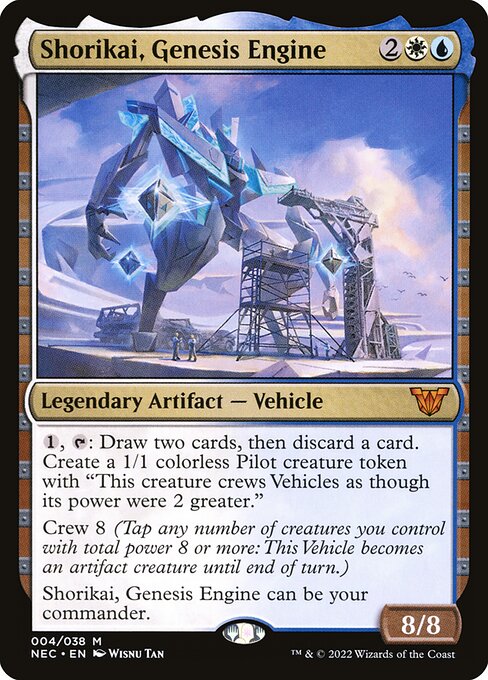
Commanders worth exploring: Talion, the Kindly Lord, Nymris, Oona's Trickster, and Shorikai, Genesis Engine.
I enjoy Control when it involves making meaningful decisions.
You need to understand which threats actually matter, when to spend your removal, and when it's better to let something resolve.
And multiplayer Commander makes those decisions even more interesting.
You can't counter everything.
You've got three opponents, and eventually somebody is going to play something dangerous.
If you spend all your interaction stopping the first player who does anything, you might have nothing left when the real threat appears.
A good Control deck also needs a reliable way to finish the game.
There's not much point surviving for fifteen turns if you can't actually win afterward.
Superfriends: Planeswalkers Everywhere
Superfriends decks focus on playing multiple planeswalkers and generating value from their loyalty abilities.
Instead of relying mainly on creatures, you're building a board full of planeswalkers that produce resources, remove threats, create tokens, and eventually threaten powerful ultimate abilities.
Cards like Deepglow Skate, The Chain Veil, and Oath of Teferi can be particularly interesting in these decks.
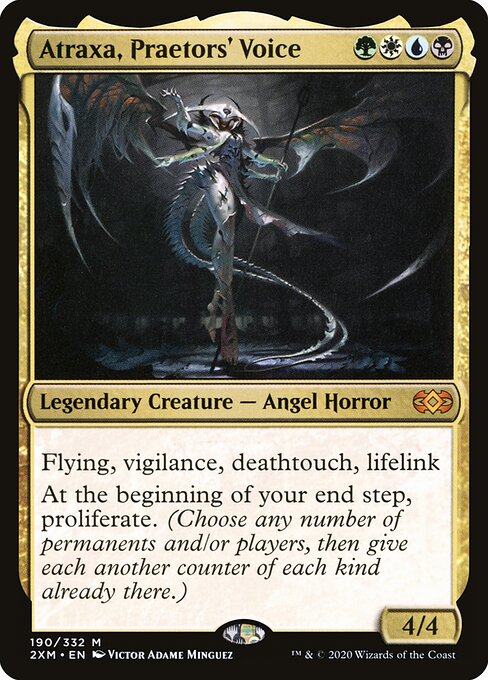
Commanders worth exploring: Atraxa, Praetors' Voice, Commodore Guff, and Sisay, Weatherlight Captain.
Superfriends can be a lot of fun if you enjoy managing several different abilities and building toward powerful turns.
There's something satisfying about gradually increasing loyalty counters until your opponents realize that one of your planeswalkers is about to take over the game.
The main problem is protecting them.
In a four-player Commander game, there are potentially three opponents who can attack your planeswalkers.
If you spend five mana on a planeswalker and it dies before you get meaningful value from it, you're going to fall behind.
That's why Superfriends decks often need creatures, token generators, board wipes, or other ways to defend their planeswalkers.
And a little patience.
You'll probably need quite a few dice too.
Aggro: Sometimes Attacking Is Enough
Not every Commander deck needs to assemble a complicated engine.
Aggro decks want to apply pressure, deal damage, and force opponents to respond before they can develop their own strategies.
That sounds straightforward, but multiplayer Commander makes it more challenging than it might appear.
You're not trying to defeat one opponent with 20 life.
You're facing three opponents, usually with 40 life each.
That's a lot of damage to deal.
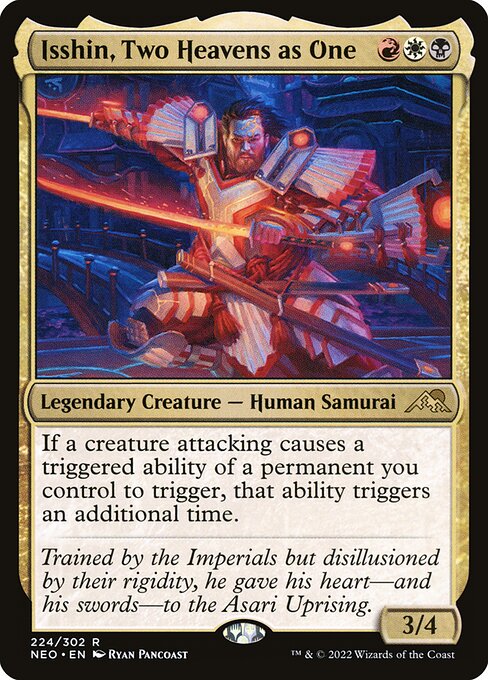
Commanders worth exploring: Winota, Joiner of Forces, Slicer, Hired Muscle, and Isshin, Two Heavens as One.
Aggro decks often rely on efficient creatures, combat synergies, extra combat phases, or effects that make attacking more rewarding.
The key is maintaining pressure without running out of resources.
If you put everything onto the battlefield and somebody casts a board wipe, you can end up with no creatures and no cards in hand.
That's why I like Aggro decks that include reliable card advantage and some protection.
And don't underestimate combat-focused strategies in Commander.
Sometimes everybody is busy assembling elaborate engines, and one player simply attacks for lethal damage.
Combo: Two or Three Cards, and Suddenly the Game Ends
Combo decks focus on assembling specific card interactions that produce a game-winning result.
Sometimes that's infinite mana, infinite damage, unlimited creature tokens, or another sequence that wins the game once it starts.
Other combos aren't infinite but still generate enough value to make victory very likely.
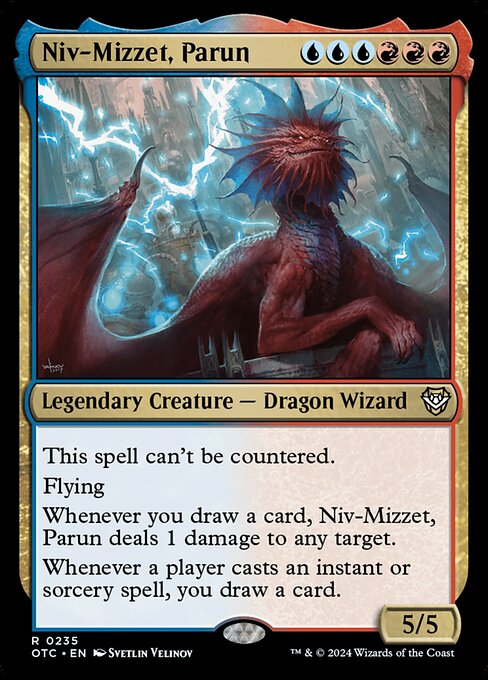
Commanders worth exploring: Niv-Mizzet, Parun, Kinnan, Bonder Prodigy, and Thrasios, Triton Hero.
Combo can be extremely satisfying if you enjoy discovering card interactions.
There's something special about realizing that two cards you've been playing separately can work together in a completely unexpected way.
But there's an important difference between including a combo in your deck and building your entire deck around finding one.
A dedicated Combo deck usually includes tutors, card draw, protection, and ways to assemble its pieces consistently.
That can make the deck much more powerful, but it can also change the kind of games you're playing.
Personally, I don't think every Commander deck needs an infinite combo.
I like having interesting interactions and occasionally surprising my opponents, but I also enjoy winning through combat, synergy, or simply building a powerful board.
The important thing is deciding what kind of experience you want and what your playgroup enjoys.
More Commander strategies
Beyond the 16 main archetypes above, specialized strategies offer other ways to play. Mill attacks libraries rather than life totals, with repeatable engines, graveyard interaction and a plan to finish the game.
Most Commander Decks Combine Several Archetypes
Here's something worth remembering: these archetypes aren't strict categories.
A deck can easily belong to two or three of them.
For example, an Aristocrats deck might also be a token deck because it creates creatures specifically to sacrifice them.
A Reanimator deck might use discard and self-mill as its main way to fill the graveyard.
An Enchantress deck might also use Voltron, especially if you're playing Auras that make your commander increasingly dangerous.
And a Landfall deck might generate hundreds of tokens and win through combat.
That's one of the things I like most about Commander.
You don't have to choose one strategy and ignore everything else.
In fact, combining archetypes can make a deck much more interesting.
But I'd be careful not to combine too many unrelated ideas.
If half your deck cares about artifacts, another part cares about enchantments, and you're also trying to assemble a complicated graveyard combo, you might end up with a deck that doesn't do any of those things particularly well.
Sometimes it's better to have one clear strategy with a secondary theme that supports it.
How Do You Choose the Right Archetype?
I'd start by thinking about the things you enjoy doing during a game.
Not just whether you like winning, because I assume most of us do.
I mean the actual experience of playing.
Do you enjoy making decisions about when to counter a spell? Do you like building a huge battlefield? Are you happier finding strange combinations of cards? Or do you prefer turning creatures sideways and seeing what happens?
If you enjoy combat, Voltron, Aggro, Tokens, or Typal might be good starting points.
If you prefer building engines and generating value, take a look at Enchantress, Artifacts, Blink, or Landfall.
If you enjoy sacrificing resources and bringing them back, Aristocrats and Reanimator are great options.
And if you like planning several turns ahead, Control, Combo, or even Stax might be more appealing.
There's no correct answer.
I'd also consider how complicated you want your deck to be.
Some strategies require managing lots of triggers, remembering interactions, and calculating complicated turns.
Others are much more straightforward.
Neither is inherently better.
Sometimes, after a long day, I just want to play some creatures, attack, and enjoy the game without having to calculate twelve different triggers.
And other days, building a complicated engine is exactly what I feel like doing.
Build Your Own Commander Deck in MTG Master
Once you've found an archetype that interests you, the next step is choosing a commander and seeing how the deck could work.
And this is where things get really enjoyable.
You can start with a commander you already own, explore other legendary creatures that support the strategy, or even take an existing precon and adapt it toward the archetype you want.
In MTG Master, you can build your Commander deck, discover cards, explore possible synergies, and analyze how well the deck works together.
I find it particularly useful to look beyond whether individual cards are powerful.
A deck full of excellent cards isn't necessarily a good deck.
The cards need to work together.
You can use the Deck Analyzer to check things like your mana curve, consistency, interaction, resilience, synergy, and potential combos.
And before spending money on new cards, you can experiment with different versions of the deck and try some opening hands.
Of course, no analysis can tell you whether you're going to enjoy playing a particular archetype.
That's something you'll discover at the table.
But it can help you avoid some of the common mistakes we all make when building something new.
Like adding twenty exciting six-mana cards and forgetting that we actually need to survive the first five turns.
We've all been there.
Build Something You Actually Enjoy Playing
If there's one thing I'd recommend when choosing your next Commander deck, it's not to worry too much about building the strongest possible strategy.
At least, not at first.
Think about what makes Magic fun for you.
Maybe you want a deck that creates absurd numbers of tokens. Maybe you enjoy playing Angels, Dragons, or Zombies. Maybe you want to control the table, build unusual combos, or create an enchantment engine that gets stronger every turn.
All of those are perfectly valid reasons to build a deck.
And there's nothing wrong with including cards you love even if they aren't the most efficient options.
I think one of the biggest mistakes you can make in Commander is building a deck that's technically very powerful but that you don't particularly enjoy playing.
Because if you're going to spend hours choosing cards, testing hands, making changes, and eventually sitting down with friends to play, you might as well enjoy what your deck is doing.
Find an archetype that sounds interesting, choose a commander you like, and start experimenting.
You can always change things later.
That's half the fun of Commander anyway.
Build around the strategy you enjoy
Choose your commander, build a deck around your archetype, and test how its cards work together.